Coffee spills are a daily nuisance — their pigments, oils and sometimes milk proteins can grab hold of carpet fibers fast and become stubborn if not handled right. This guide walks you through what to do the moment a spill happens, safe DIY recipes that work on fresh spots, the limits of at-home methods, and when a professional service can deliver a deeper, healthier clean. You’ll get step-by-step blotting and dilution techniques, a clear comparison of common DIY agents, and an easy explanation of professional Hot Carbonating Extraction and The Natural® cleaning solution. We also cover approaches for set‑in stains, practical prevention tips, and how local pros can help when home fixes won’t do. The focus is practical steps, clear decisions, and realistic expectations so you can remove coffee stains and protect indoor air quality and carpet life.
What Are the Best Immediate Steps to Remove Fresh Coffee Stains from Carpet?
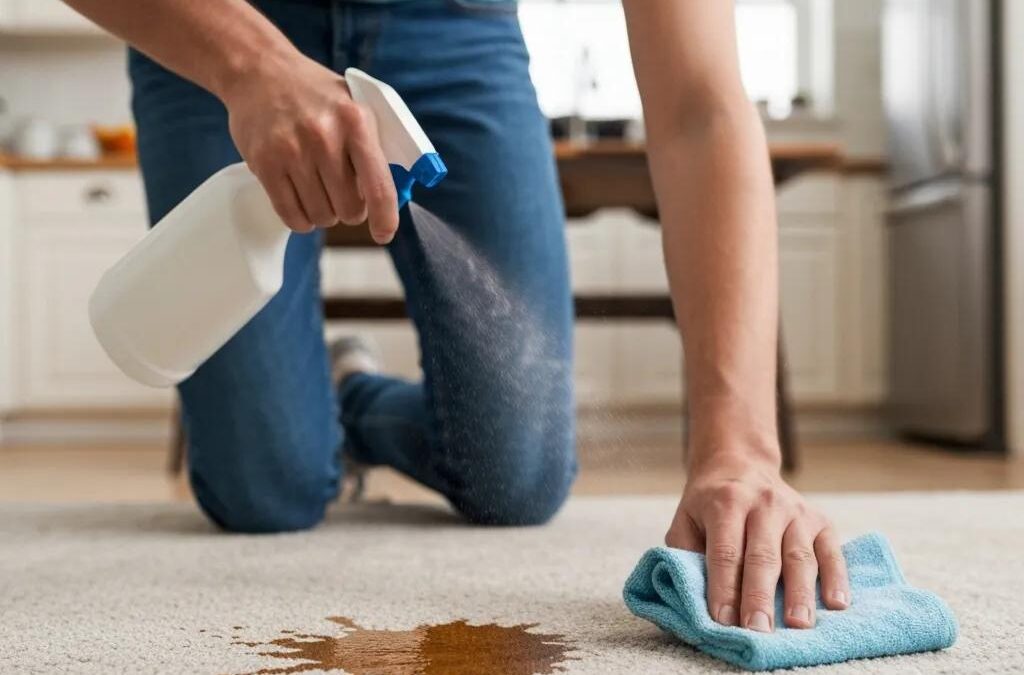
The first priority after a fresh spill is to stop the stain from concentrating and moving deeper into the pile. That means absorbing excess liquid, diluting what’s left with cold water, and avoiding aggressive scrubbing that spreads pigment or soaks the backing. Aim for maximum lift using the least water and gentleness in handling. Follow the steps below to give yourself the best chance of full removal with either a DIY follow-up or a professional treatment.
How Do You Blot and Dilute Fresh Coffee Spills Correctly?
Blotting is steady, light pressure with a clean, absorbent cloth to lift liquid — never rub, which can fray fibers and move the stain. Work from the spill’s outer edge toward the center to stop dye migration, and keep rotating to dry areas of the cloth so you keep absorbing. Once you’ve removed as much as possible, mist cold water lightly and blot again to dilute tannins and milk proteins without over‑wetting the backing. Always test any cleaner on a hidden patch first to confirm colorfastness before treating the visible area.
Which Common DIY Methods Work for Fresh Coffee Stains?
Several household items can help with fresh coffee stains, each acting differently: club soda for lift and dilution, a mild dish soap to break up oils and milk residues, and baking soda to absorb moisture and gently abrade the film. Use sparingly, work from the edges in, and blot often. For example, a few drops of dish soap mixed with three parts water can be misted, blotted and then rinsed with cold water to remove residue. These DIY fixes are best for small, recent spills on colorfast synthetic carpets. If the stain spreads, changes color, or the pad feels saturated, stop and get a professional evaluation to avoid permanent damage.
The most effective immediate actions for fresh coffee stains are:
- Blot up excess liquid with a clean, absorbent cloth, moving from the outside in.
- Lightly mist cold water to dilute remaining residue and continue blotting to lift tannins.
- Use a mild surfactant (dish soap diluted 1:3 with water) for coffee containing milk or oils.
- Rinse with cold water, blot until only slightly damp, and let the area air‑dry.
These steps focus on containment and minimal wetting to protect the backing and fiber, and they set the spot up for targeted treatment or professional attention if needed.
What Are the Most Effective DIY Coffee Stain Removal Techniques and Their Limitations?
DIY methods either change the stain’s chemistry or physically remove residues, but their success depends on stain age, fiber type and what was in the coffee. Baking soda soaks up liquids and light residues; vinegar shifts pH to help dissolve tannins; dish soap emulsifies oils and milk proteins. Hydrogen peroxide can oxidize and lighten stubborn pigments but risks bleaching—always spot test first. Knowing how each method works helps you decide when a DIY attempt is reasonable and when specialty pro services are the safer choice.
Different DIY agents perform differently by mechanism, effectiveness, and risk:
| Method | Mechanism | Best For |
|---|---|---|
| Baking soda | Absorption + mild abrasion | Fresh spills, some oily residues |
| White vinegar | pH adjustment + pigment solubilization | Tannin stains on colorfast fibers |
| Dish soap (diluted) | Surfactant emulsification | Coffee with milk, sugar or oils |
| Hydrogen peroxide | Oxidation/bleaching | Stubborn dye stains — test first |
| Club soda | Carbonation lift + dilution | Very fresh, light spills |
This table shows DIY options can work well on small or new stains, but each carries trade‑offs. Large, set‑in stains or delicate fibers increase the risk that at‑home fixes will make things worse — that’s when professional help is wise.
How Does Baking Soda, Vinegar, and Dish Soap Help Remove Coffee Stains?
Baking soda soaks up liquids and loose pigments and can be vacuumed away when dry, reducing stain load. White vinegar lowers pH to help release tannin molecules, but its acidity can affect dye stability on some carpets, so test first. Dish soap reduces surface tension and emulsifies oils and dairy components so they can be blotted away. Each method needs short dwell times, careful blotting and a final rinse to avoid leaving residues that attract soil.
Textile chemistry shows coffee stains are mainly caused by water‑soluble, acidic color compounds and that persistence varies by fiber: polyester tends to hold stains least, cotton more, and nylon most. For nylon, an alkaline approach is often more effective, and strong oxidizers can bleach coffee — but their use depends on the carpet’s dye fastness.
Investigating Coffee Stains: Textile Chemistry and Remediation
Research into coffee staining finds the colored components are largely water‑soluble and acidic. Laboratory analyses (spectroscopy, surfactant titration and precipitation tests) show stain persistence depends on fiber type: polyester resists coffee best, then cotton, with nylon holding stains most strongly. The interaction with nylon appears to involve ionic attraction between coffee’s acidic groups and nylon’s amine end‑groups, plus nonionic interactions that increase adherence. Because coffee stains are acidic, removing them from nylon often requires an alkaline medium. Oxidizing agents like perborate or peroxysulfate can bleach coffee under controlled conditions, but their use is limited by dye stability.
When Do DIY Methods Fail and Require Professional Help?
DIY attempts are likely to fail when the stain has soaked into the carpet backing or pad, when the coffee contained milk or sugar (which can leave odors or encourage microbial growth), or when the stain has chemically bonded with dyes. Signs you should call a pro include a persistent dark halo after blotting, stubborn odor, color changes during treatment, or repeated DIY attempts that still show residue. Continuing to aggressively treat these problems at home risks fiber abrasion, dye migration and pad damage — stopping and getting a professional assessment protects your carpet and improves the chance of restoration.
When DIY isn’t enough, specialty professional removal uses equipment and chemistries that reach deeper without over‑wetting; the next section explains how Hot Carbonating Extraction works and why it’s effective.
If at‑home efforts haven’t worked, local experts can evaluate saturation, fiber type and stain chemistry to choose the safest method. Chem‑Dry of The Kawarthas provides Specialty Stain Removal for coffee stains that resist home treatment, with techniques designed to protect indoor air quality and reduce drying time. If the spill reached the pad, contained milk or sugar, or remains visible after careful DIY steps, a professional on‑site quote will identify whether targeted extraction or further interventions are needed.
How Does Professional Coffee Stain Removal Using Chem-Dry’s Hot Carbonating Extraction Work?
Hot Carbonating Extraction (HCE) uses carbonation, gentle agitation and low‑moisture extraction to lift soils and stain components from deep inside fibers and the backing. Tiny carbonation bubbles create a micro‑lift that loosens tannins, oils and protein residues while The Natural® cleaning solution — a green, non‑toxic surfactant — suspends particles for removal. HCE uses far less water than traditional steam cleaning, so it lowers backing and pad saturation, shortens drying times and reduces mold risk. For coffee stains that include milk or sugar, HCE can reach deeper and target both dye and organic residues while protecting indoor air quality with milder chemistries and faster drying.
What Is Hot Carbonating Extraction and How Does It Remove Coffee Stains Deeply?
HCE combines pressurized carbonation with a proprietary cleaning solution to lift and suspend stain particles, then extracts them with specialized equipment that removes soils efficiently. The carbonation action helps separate tannins from fibers, and controlled agitation improves penetration without harsh scrubbing that can fray pile or spread pigment. Extraction removes suspended soils, leaving less residue than surface‑only spot cleaning and reducing the need for repeat treatments. Compared with conventional steam, HCE reaches deeper into the carpet structure and reduces the chance of pad rewetting, which helps preserve fiber life.
Here’s how professional methods compare to traditional steam cleaning on key attributes:
| Approach | Water Usage | Typical Drying Time | Penetration Depth | Health/Environmental Impact |
|---|---|---|---|---|
| Hot Carbonating Extraction (HCE) | Low (significantly less water) | Faster (shorter drying) | Deep into fibers/backing | Healthier cleaning using The Natural® |
| Traditional Steam Cleaning | High water usage | Longer drying times | Surface to moderate depth | More water, higher risk of over‑wetting |
| Spot Extraction | Minimal, localized water | Variable depending on equipment | Very localized | Targeted but may miss deep residues |
This comparison highlights HCE’s benefits for coffee stains: less water, quicker dry times and deeper cleaning with gentler chemistry.
What Are the Health and Environmental Benefits of Chem-Dry’s The Natural® Cleaning Solution?
The Natural® cleaning solution is formulated to be non‑toxic and more environmentally friendly than many harsh solvent cleaners. That helps indoor air quality and reduces lingering chemical residues in fibers. Because the carbonation‑enhanced system uses less water, carpets dry faster and the risk of microbial growth in the backing or pad is reduced. Households concerned about allergens, odors or chemical sensitivities often prefer this approach because it balances effective stain removal with gentler chemistry and shorter downtime.
When a coffee stain has set or holds complex residues, professionals can combine pre‑treatment, HCE and spot extraction to maximize lift while protecting fibers and speeding drying. Customers can request a quote or schedule an assessment with local service providers to determine the best plan.
How Can You Remove Old and Set-In Coffee Stains from Carpet Effectively?
Old coffee stains are tougher because pigments can oxidize, proteins denature and dyes or particles migrate deeper into fiber and backing. Professionals use targeted pre‑treatments that soften bonds, fiber‑appropriate agitation and extraction techniques that remove both free and bound residues. Be realistic: set‑in stains often need multiple passes, and full removal depends on fiber type, dye stability and pad condition. Understanding why older stains resist home methods helps you choose a professional pathway that improves outcomes while protecting the carpet’s construction.
Why Are Old Coffee Stains Harder to Remove with DIY Methods?
Over time coffee components change: tannins oxidize into more stable color compounds, milk proteins can denature and cling to fibers, and dyes may bind more tightly to synthetic polymers. Carpet construction — pile density, fiber polymer and backing — affects how deep stains go and how reachable they are with household cleaners. DIY approaches that rely on surface agitation or simple dilution frequently leave bound residues and can spread or set pigments further, especially if too much moisture reaches the pad. That’s why a professional with deeper‑penetrating tools and controlled chemistries is often the safer choice.
Professionals assess stain age, fiber type and pad condition to choose treatments such as enzymatic pre‑treatments for organic residues, controlled oxidizers for dye issues, or repeated spot extraction for gradual lift. The next section explains how these methods differ from DIY and why they usually work better.
How Do Professionals Tackle Stubborn Coffee Stains Differently?
Technicians start with an on‑site assessment to determine stain chemistry and fiber type, then apply pH‑balanced pre‑treatments and tailored agitation that loosen residues without abrading pile. Spot extraction delivers localized agitation plus suction with controlled solution dosing and heat, removing loosened material while minimizing overall moisture. Paired with HCE, this method lifts both dye and organic components more effectively than surface scrubbing. Technicians monitor drying and may recommend follow‑up or localized repairs if pigment migration or pad saturation is present, giving realistic expectations and often avoiding unnecessary replacement.
| Treatment | Mechanism | Expected Outcome |
|---|---|---|
| Enzymatic pre-treatment | Breaks down proteins and organic residues | Improved removal of milk/sugar components |
| Spot extraction | Localized agitation + suction | Removes concentrated pigments with minimal wetting |
| Repeated HCE passes | Deep carbonation + extraction | Progressive lift of bound tannins and dyes |
These professional tools and protocols explain why trained technicians often succeed where DIY methods stall.
What Are the Best Practices for Preventing Coffee Stains and Maintaining Carpet Cleanliness?
Prevention keeps stains from happening and protects carpet appearance and lifespan. Simple habits plus scheduled maintenance make a big difference. Create no‑drink zones in high‑traffic carpeted areas, use trays or coasters at seating, vacuum regularly to remove grit that abrades fibers, and treat spills immediately so they don’t set. Pairing daily care with periodic professional deep carpet cleaning gives you better long‑term results and preserves indoor air quality.
Which Carpet Care Tips Help Avoid Coffee Stain Damage?
Practical, repeatable steps help: place absorbent mats and trays where drinks are common, use covered mugs, and keep a small stain kit (spray bottle, microfiber cloths, mild dish soap) handy for quick responses. Weekly vacuuming prevents grit and oils from building up, and spot checks catch small discolorations before they set. For businesses, enforce spill‑response protocols to prevent pad saturation. Always spot‑test new cleaners in an invisible area before treating visible spots to avoid color loss. These habits reduce stain severity and simplify restoration when spills occur.
Good daily habits and scheduled maintenance directly affect how recoverable a coffee spill will be — which brings us to the role of professional cleaning.
How Does Regular Professional Cleaning Support Coffee Stain Prevention?
Regular professional cleaning removes embedded soils that accelerate wear and makes spot removal easier because fibers are cleaner and less porous to pigments. Low‑moisture, faster‑drying methods reduce the chance of pad rewetting and related odors or microbial growth — especially important in humid environments or busy commercial spaces. Tailored cleaning intervals based on traffic and use keep carpets resilient, improve the success of spot treatments after spills and extend carpet life. Combining good daily care with periodic professional service protects both appearance and long‑term value.
Professional maintenance reduces the severity of future coffee incidents and supports quicker, safer spot cleaning when needed.
Why Choose Chem-Dry of The Kawarthas for Professional Coffee Stain Removal?
Chem‑Dry of The Kawarthas pairs local service with franchise‑backed, proprietary methods made for healthier, deeper cleaning and faster drying. Our Hot Carbonating Extraction combined with The Natural® cleaning solution targets coffee stains using less water and gentler chemistries, which lowers the risk of pad saturation and shortens dry time compared with traditional steam cleaning. Our Specialty Stain Removal service focuses on tough coffee incidents — including those with milk or sugar — and local technicians will assess whether spot extraction, repeated treatments or targeted HCE passes offer the best outcome. For homes and businesses in The Kawarthas, a professional evaluation and written quote make restoring carpets straightforward and secure.
What Are the Key Benefits of Chem-Dry’s Coffee Stain Removal Services in The Kawarthas?
Chem‑Dry of The Kawarthas emphasizes healthier cleaning through The Natural® solution and deeper cleaning with Hot Carbonating Extraction, which together lower water usage and speed drying for homes and businesses. These methods leave fewer residues that attract soil, reduce mold and mildew risk by avoiding saturating moisture, and improve indoor air quality by avoiding harsh solvent residues. Our Specialty Stain Removal targets stubborn coffee marks with tailored pre‑treatments and extraction protocols based on fiber type and stain chemistry. Local availability makes it easy to schedule assessments and request quotes for reliable stain restoration.
How Can Homeowners and Businesses Book Expert Coffee Stain Removal Locally?
When you request a quote or schedule an on‑site assessment, have basic details ready: carpet material, estimated stain age, whether the coffee had milk or sugar, and photos if possible. During your first contact, technicians will confirm the scope, recommend treatments (for example, spot extraction, enzymatic pre‑treatment or HCE) and provide an estimate based on what they observe. Expect clear guidance about drying times and any follow‑up needed to fully address the stain. Booking a professional assessment is the recommended next step when DIY has failed or the backing or pad may be affected.
This local service pathway helps homeowners and businesses make smart choices and prioritize safe, effective stain restoration.
Keep in mind: common household ingredients can work, but their effectiveness varies with fabric type. Studies show commercial stain removers generally outperform homemade mixes, though on some synthetic fabrics a vinegar and baking soda approach performed similarly to a commercial product.
Comparative Analysis of DIY vs. Commercial Stain Removers: Efficacy on Textile Fabrics
A comparative study evaluated commercial stain removers against home‑prepared formulations on cotton and polyester fabrics using standardized test methods and color measurements. Results showed commercial products generally delivered stronger performance on cotton. On polyester, one commercial product and a vinegar plus baking soda mixture produced similar results. Overall, commercial cleaners tended to outperform homemade options, though home mixtures may work well on some synthetics.
Frequently Asked Questions
What should I do if a coffee stain has set in my carpet?
Set‑in coffee stains are harder because pigments and proteins may have bonded to fibers. Start with warm water and a mild detergent, let it sit briefly, then blot gently and repeat. If the stain won’t budge, contact a professional — trained technicians use targeted chemistries and equipment that can often remove stains that DIY methods cannot.
Can I use bleach to remove coffee stains from my carpet?
We don’t recommend household bleach on carpets — it can cause uneven color or permanent damage. Bleach may lighten the spot but often leaves noticeable discoloration. Safer options include hydrogen peroxide (spot‑tested first) or commercial carpet cleaners designed for dyes and fibers. When in doubt, consult a pro before using strong chemicals.
How often should I have my carpets professionally cleaned to prevent coffee stains?
At minimum, plan professional cleaning once a year. Homes with heavy traffic, pets or children may benefit from cleaning every six months. Regular professional cleaning removes embedded soils, makes spot removal easier and helps extend carpet life.
Are there any specific carpet types that are more resistant to coffee stains?
Synthetic fibers like polyester and many treated nylons tend to resist coffee better than natural fibers such as wool because they’re less porous and may have stain‑resistant treatments. That said, no carpet is completely stain‑proof — prompt action and the right cleaning approach matter most. Always follow the manufacturer’s care recommendations.
What are the signs that my carpet needs professional cleaning?
Look for persistent odors, visible stains that don’t respond to home cleaning, or a generally dingy appearance despite vacuuming. If allergy symptoms worsen or you suspect mold or a heavy buildup of dust and allergens, it’s time to call in professionals to improve indoor air quality and restore the carpet.
Can I prevent coffee stains from occurring in the first place?
Yes. Create no‑drink zones in high‑traffic areas, use coasters and trays, choose mugs with lids and keep a simple stain kit handy for quick responses. Regular vacuuming and scheduled professional cleanings also reduce the chance that small spills will become permanent stains.
What should I do if my DIY cleaning attempts are unsuccessful?
If a DIY approach hasn’t removed the stain, stop before causing more damage and call a professional. Trained technicians have access to stronger, safer tools and can recommend the right treatment for your carpet type and the stain’s condition. Continuing home attempts can worsen color migration or padding issues — a professional assessment is often the fastest path to restoration.
Conclusion
Removing coffee stains well restores appearance, protects carpet life and helps maintain indoor air quality. Knowing the right immediate steps and the limits of DIY methods lets you decide when to call a pro. Specialty services like Chem‑Dry’s Hot Carbonating Extraction offer deeper cleaning with less water and gentler chemistry, often delivering better results with faster drying. For stubborn or pad‑soaked stains, schedule a professional assessment to get the safest, most effective outcome for your carpets.